https://www.aexcept.com/the-ultimate-guide-to-rapid-descent-mastering-lightning-speed-challenges/
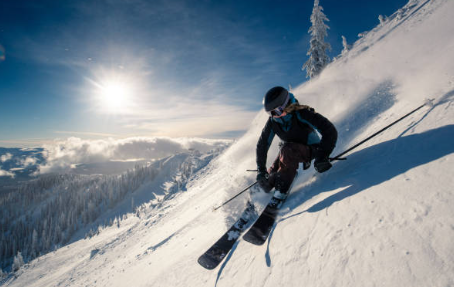
In the world of extreme sports, rapid descent is like a dazzling meteor, attracting countless warriors who pursue the ultimate experience with its lightning fast speed and heart pounding excitement. It is not just a simple rapid descent, but also a competition with nature, a perfect fusion of courage and skill, allowing participants to experience the adrenaline rush in a short period of time.
Rapid Descent: A Heartbeat Adventure Across Mountains and Rivers
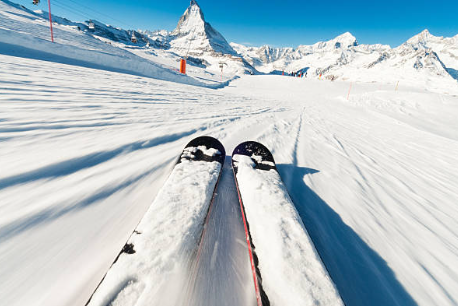
Rapid descent is a passionate dance with speed. When you stand at the top of a mountain, overlooking the winding track beneath your feet, the anticipation of the unknown and the desire to challenge yourself surge in your heart. Put on professional equipment and embark on a rapid descent journey. In an instant, you seem to transform into a messenger of the wind, rapidly descending along the steep slope. The wind whistled in my ears, and the scenery in front of me flashed quickly like a slideshow. Every turn and jump made my heart beat faster. In this process, you can feel the majestic power of nature, and also experience your own insignificance and greatness in speed and passion. When successfully reaching the finish line, the sense of achievement of overcoming oneself and conquering the track arises naturally, which is the unique charm of rapid descent.
The ultimate sharpening of body and mind
A rigorous test of bodily functions
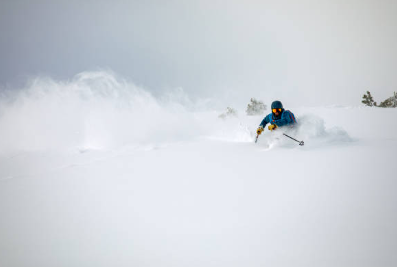
The test of rapid descent on the body is comprehensive and highly challenging. In high-speed gliding, strong leg strength is the key to controlling direction and maintaining balance. Both legs need to withstand tremendous impact forces and adjust their posture flexibly to cope with various complex terrains. This not only exercises the explosive power and endurance of the leg muscles, but also improves the stability of the joints. Core muscle groups also play an important role in rapid descent, helping you maintain body stability during high-speed movements and avoid falling due to center of gravity deviation. Upper limb strength is equally indispensable. When operating equipment such as skis or bicycles, the arms need to exert precise force, which exercises the muscle strength of the arms and shoulders. In addition, the rapid response and agile movements during the rapid descent process place extremely high demands on the body’s coordination and reaction speed. Long term participation in rapid descent exercises can significantly improve various bodily functions.
Deep cultivation of psychological resilience
Rapid descent is also a spiritual adventure. Facing steep slopes, high-speed gliding, and unknown road conditions, fear is inevitable. However, it is in the process of overcoming fear that psychological resilience is greatly exercised. Every time standing at the starting point, it is a challenge to courage; Every time you make the right judgment and decision on the highway, it is a boost to your confidence. Rapid descent teaches you to remain calm and react quickly in high-pressure environments. This powerful psychological quality will accompany you in dealing with various challenges in life, allowing you to move forward bravely even in difficult situations.
Thorough preparation before rapid descent
Carefully selected equipment
Appropriate equipment is the foundation of safety and experience in rapid descent. Taking skiing downhill as an example, the length, width, and elasticity of skis need to be selected based on individual height, weight, and skiing style. Longer skis are suitable for high-speed gliding and can provide better stability; Shorter skis are more flexible and easier to turn on narrow tracks. Ski shoes should fit comfortably and have good support and warmth. A helmet is an essential safety equipment that can effectively protect the head from impact. Goggles can block wind, snow, and ultraviolet rays, providing a clear view. In addition, knee pads, elbow pads, wrist pads, and other protective equipment are required to protect the joints from injury. If it is a bicycle speed reduction, in addition to a suitable bicycle, professional riding helmets, riding clothes, knee pads, wrist guards and other equipment are also needed.
Skill system learning
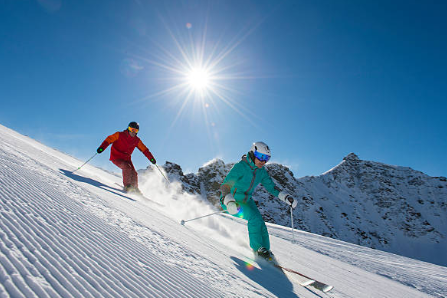
It is crucial for the system to learn the skill of speed reduction before officially starting. You can seek professional coaches or attend training courses to learn basic downhill movements and techniques. For example, how to stand correctly on skis or bicycles, how to control speed and direction, and how to slide on different terrains and slopes. At the same time, it is important to master braking techniques to ensure safe deceleration when needed. Understanding the characteristics and rules of the track is also important, as it can better plan the gliding route and avoid danger. Through professional guidance and repeated practice, gradually master the skill of rapid descent, laying the foundation for safe rapid descent.
Targeted physical training
Rapid descent requires high physical fitness, and early physical training can make it easier for you to descend. Engage in aerobic exercise such as running, swimming, etc. to enhance cardiovascular function and improve endurance. Strength training should not be ignored, as it enhances the strength of the legs, upper limbs, and core muscle groups through exercises such as squats, hard pulls, and push ups. In addition, some balance and coordination training can be carried out, such as standing on one foot, yoga, etc., to improve balance and body coordination during high-speed exercise.
Key techniques in rapid descent
Speed control
Speed control is one of the key techniques for speed reduction. During the descent process, it is necessary to control the speed reasonably according to the situation of the track and one’s own ability. Speed can be controlled by adjusting posture, utilizing equipment characteristics, and braking. For example, in skiing downhill, leaning forward can reduce wind resistance and increase speed; Tilting the body backwards can increase resistance and decrease speed. In bicycle deceleration, speed can be controlled by adjusting gears and brakes. At the same time, it is important to constantly monitor changes in the track and prepare for speed adjustments in advance.
Turning skills
Turning is a commonly used technique in speed reduction and also the most challenging part. When turning, choose the appropriate turning method based on the radius and slope of the bend. Taking skiing downhill as an example, common turning methods include plow turning, parallel turning, etc. Plowing turning is suitable for beginners, who use their feet to form an inside eight shape and the inner blade of the snowboard to control the direction and speed of the turn. Parallel turns are more suitable for skateboarders with a certain foundation, who use their feet parallel and utilize the side blades of the snowboard to achieve fast turns. In bicycle deceleration, it is necessary to slow down in advance when turning, tilt the body towards the inside of the curve, and use the handlebars and the center of gravity of the body to control the direction.
Jumping technique
During the descent process, sometimes jumping situations may occur, and mastering the correct jumping techniques is crucial. Before jumping, adjust the speed and posture in advance to ensure sufficient strength and stability. When taking off, use the strength of your legs to jump upwards while maintaining balance. In the air, it is important to control the posture of the body and avoid shaking and imbalance. When landing, bend your knees to cushion the impact and quickly adjust your posture to maintain stability during gliding.
Safety guidelines for rapid descent
safety protection
Deceleration is a highly dangerous sport, and safety measures are crucial. Before each descent, be sure to carefully inspect the equipment to ensure that it is intact and functioning properly. Wear helmets, knee pads, elbow pads, wrist pads, and other protective gear that can effectively reduce the risk of injury in the event of a fall. At the same time, it is important to understand one’s physical condition and avoid rapid descent when feeling unwell or fatigued.
selection of the site
Choosing a suitable descent site is also important. Try to choose professional descent venues that have been carefully designed and maintained for high safety. Avoid rapid descent in unsafe wilderness or unfamiliar areas. When choosing a venue, it is important to understand the difficulty level and rules of the venue to ensure that one’s abilities match the venue.
risk assessment
Before performing a descent, a comprehensive risk assessment of factors such as the track and weather should be conducted. Understand the terrain, slope, snow quality, or road conditions of the track and prepare countermeasures in advance. Pay attention to the weather forecast, and avoid rapid descent under severe weather conditions, such as rainstorm, gale, and snowstorm. At the same time, emergency plans should be developed to take timely measures in case of accidents and ensure personal safety.
Rapid descent is an extreme sport full of passion and challenge, which allows us to release ourselves in speed and passion, and challenge our limits. As long as you are well prepared, master the correct skills, and strictly follow safety guidelines, you can fully enjoy the thrill of speeding in the world of rapid descent and embark on your own adventure.
https://www.aexcept.com/the-ultimate-guide-to-rapid-descent-mastering-lightning-speed-challenges/