https://www.aexcept.com/the-ultimate-guide-to-skiing-speed-passion-and-slope-mastery/
In the silver clad winter world, skiing is like a shining star, attracting countless people who love adventure and challenge. Stepping onto a snowboard, flying down from the top of the ski slope, the wind howling in my ears, and a pristine snow sea in front of me, this experience of enjoying speed and passion on the ski slope has made skiing one of the most charming winter sports.
Skiing: The Perfect Fusion of Speed and Passion
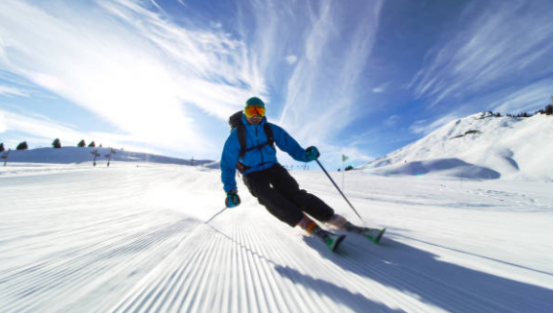
Skiing is a competition of speed and skill, and a wonderful journey of intimate contact with nature. When you stand at the starting point of the snow trail, take a deep breath, and then press hard, you will dive down along the snow trail like an arrow from the bowstring. In high-speed gliding, you can clearly feel the power of the wind, your cheeks being brushed by the cold wind, and your heartbeat becoming increasingly rapid with the increase of speed. Every turn is a test of body balance and handling skills. You need to cleverly use the friction between the snowboard and the snow to adjust direction flexibly and draw beautiful curves on the snow trail. The unique charm of skiing lies in the feeling of controlling oneself and challenging the limits in speed, which immerses countless people and makes them never tire of it.
The origin and development of skiing
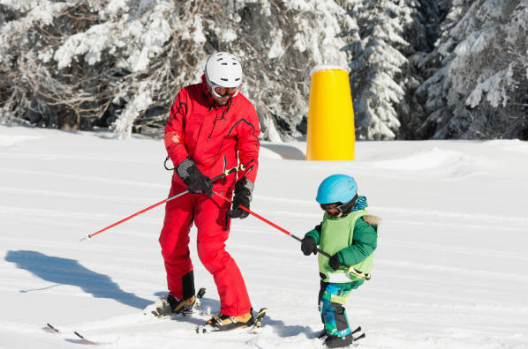
Skiing has a long history and was originally a practical skill for people to travel and hunt in snowy environments. According to research, people in the Nordic region have been using tools similar to skis to move on snow for thousands of years. Over time, skiing has gradually evolved from a practical skill to a competitive sport and leisure activity. In 1924, the first Winter Olympics were held in Charmaine, France, and skiing officially entered the international sports stage as an important competition event. Since then, skiing has rapidly developed globally, with various skiing events constantly emerging and ski resorts and equipment becoming increasingly sophisticated, attracting more and more people to participate.
Diverse snow trails and challenges
Junior ski trail
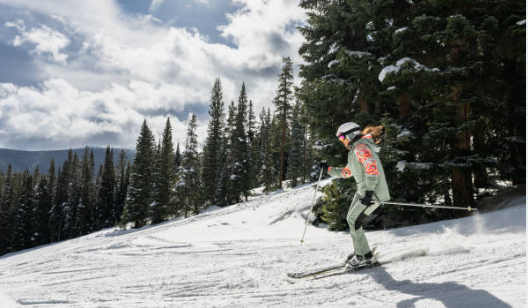
Junior ski slopes usually have gentle slopes and relatively soft snow, making them the best choice for beginners. These ski slopes are designed to help beginners familiarize themselves with basic skiing techniques such as braking, turning, etc. On beginner slopes, you can gradually practice standing, sliding, and simple turning to build confidence in skiing. Junior ski slopes are usually equipped with magic carpets or simple cable cars, making it easy for beginners to quickly reach the top of the ski slope and practice repeatedly.
Intermediate snow trail
After mastering certain skills on the beginner level ski slopes, you can challenge the intermediate level ski slopes. The slope of intermediate ski slopes will increase, requiring higher skills and balance abilities from skiers. On intermediate ski slopes, you need to be more proficient in using turning techniques and controlling speed and direction. At the same time, due to the relatively high flow of people on the snow trail, you also need to have a certain level of prediction and avoidance ability to ensure your own and others’ safety.
Advanced snow trail
Advanced ski slopes are a paradise for skiing experts, with steep slopes, complex terrain, and various challenges. On advanced ski slopes, you will face challenges such as high-speed gliding, sharp turns, and steep slopes, requiring superb skiing skills and strong psychological resilience. The snow on advanced ski slopes may also be harder, requiring extremely high grip and handling of the snowboard. Only through long-term training and accumulation can one fully showcase the charm of skiing on advanced ski slopes.
Complete analysis of skiing equipment
Ski
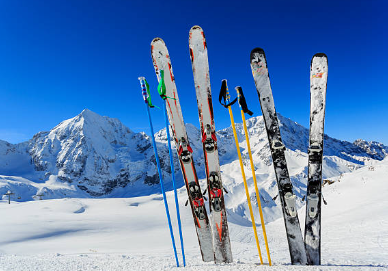
Ski board is one of the most important equipment for skiing, divided into snowboard and snowboard. Snowboards are relatively wide and require both feet to be fixed on the same surface. They control direction and speed through body movements, providing high flexibility and ornamental value. They are suitable for skiers who pursue individuality and challenges. Double board skis are more traditional, with both feet fixed on two boards and coordinated by the left and right feet to achieve gliding and turning. They are relatively easy to learn and suitable for most beginners.
Ski boots
Ski shoes are different from regular shoes in that they require good support and warmth. Ski shoes have high hardness, which can effectively fix the feet, provide stable support, and help skiers better control the snowboard. At the same time, ski shoes are usually filled with insulation materials inside to ensure that feet will not be frostbitten on cold snow.
Helmets and protective gear
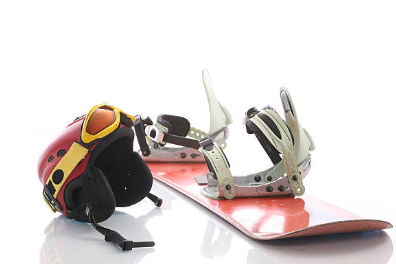
Safety is the primary principle of skiing, and helmets and protective gear are essential. Helmets can protect the head from injury and reduce the risk of injury in the event of an accident. Protective equipment such as wrist guards, elbow guards, knee guards, etc. can protect the joints of the body and reduce the impact force when falling. Especially for beginners, wearing complete protective gear can increase their sense of security and allow them to enjoy skiing with peace of mind.
Beginner’s Tips
Correct standing posture
Before skiing, the first step is to master the correct standing posture. Spread your feet slightly apart, shoulder width apart, bend your knees slightly, move your center of gravity forward, and place most of your weight on your forefoot. This posture can maintain body balance and facilitate controlling the snowboard during gliding.
Braking skills
Braking is one of the basic skiing techniques and is crucial for safety. The braking method for double board skiing is to bring the front end of the snowboard inward, forming an inner eight character shape, and use the friction between the snowboard and the snow to slow down. Snowboarding can achieve braking by shifting the center of gravity of the body and cutting the blade of the snowboard into the snow.
Turning skills
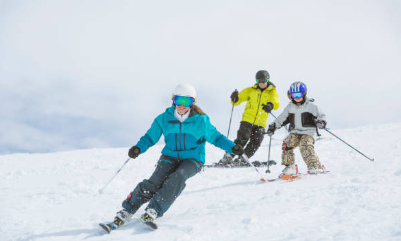
Turning is the core technique of skiing, which allows you to flexibly change direction on the ski slope. The turning of snowboarding can be achieved by moving the center of gravity left and right, in conjunction with the rotation of the snowboard. The turning of snowboarding mainly relies on the twisting of the body and the adjustment of the center of gravity, making the snowboard turn along the predetermined trajectory.
Ski safety tips
Understand one’s own abilities
When choosing a ski slope, it is important to choose based on one’s skiing skills and actual abilities. Do not blindly challenge snow trails beyond your ability to avoid danger. If you are unsure of your level, you can consult the coach or staff of the ski resort.
Comply with ski resort rules
Ski resorts have corresponding rules and directional signs, and following these rules is an important guarantee for ensuring safety. Be careful to avoid other skiers on the ski slope, and do not go against the flow or slide in prohibited areas. At the same time, it is necessary to wear helmets and protective gear according to regulations and follow the instructions of the staff.
Warm up and keep warm
Before skiing, it is necessary to do sufficient warm-up exercises, move joints, and prevent injuries. In cold environments, it is important to keep warm and wear sufficient warm clothing to avoid frostbite. Carry some high calorie food and water with you to replenish energy and water in a timely manner.
Skiing is a speed feast on the ski slopes, as well as an unforgettable experience of challenging oneself and getting close to nature. Whether pursuing speed and passion, or enjoying the tranquility and beauty of winter, skiing can meet your needs. If you also long to leave your own wonderful trail on the snow trail, why not bravely take the first step and experience the infinite charm brought by skiing.
https://www.aexcept.com/the-ultimate-guide-to-skiing-speed-passion-and-slope-mastery/