
https://www.aexcept.com/the-ultimate-guide-to-aerial-adventures-skydiving-wingsuiting-and-paragliding/
Have you ever dreamed of soaring freely in the sky like a bird, feeling the wind whistling in your ears, and overlooking the magnificent scenery of the earth? Parachute, this exciting and challenging sport, can help you achieve your dream. Today, we bring a comprehensive guide for beginners who want to try skydiving.
1、 Understand the basic knowledge of parachute gliding
It is crucial to be familiar with the basic principles and equipment of parachute gliding before starting skydiving. The parachute is mainly composed of a main parachute (canopy) and a safety belt. The main parachute is responsible for slowing down the descent speed during parachuting to ensure a smooth landing; And the seat belt is a key component that securely connects the skydiver to the parachute. To learn how to handle parachutes correctly, such as how to properly package and adjust seat belts, these skills are the foundation of safe parachuting. After mastering these basic knowledge, with the accumulation of experience, one can further learn advanced techniques and even participate in related competitions, but safety always comes first.
2、 Remember safety precautions
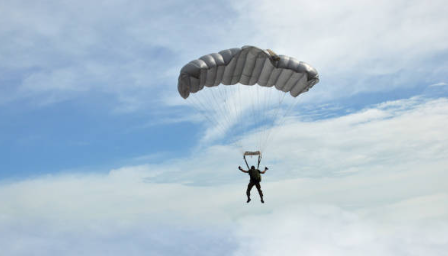
Safety is the top priority of skydiving. Before parachuting, it is essential to familiarize oneself with various safety precautions. Be fully prepared for possible emergency situations during the flight, such as equipment failures, sudden weather changes, etc., and learn how to handle these unexpected situations. Maintaining clear and effective communication with other skydivers is also crucial, as it helps prevent accidents and ensures that everyone understands the surrounding environment.
3、 Carefully select the appropriate parachute jumping location
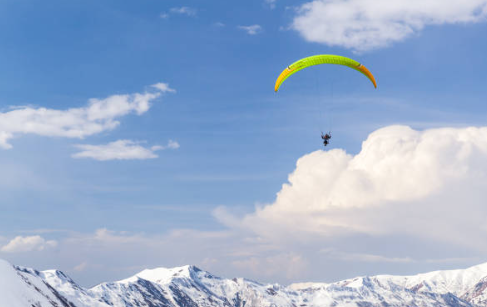
The appropriate skydiving location is crucial for a safe and enjoyable skydiving experience. When making a choice, it is important to fully consider weather conditions and terrain factors. Wind conditions are key, and stable and predictable places should be sought to avoid gusts or turbulent winds, as they can increase the difficulty of landing. In terms of terrain, a flat area without obstacles such as trees or power lines is an ideal choice, while also considering the size of the landing zone and the accessibility of emergency services. By carefully evaluating these factors, potential risks can be reduced to ensure smooth parachute jumps.
4、 Fully prepare for the first parachute jump
For first-time skydivers, comprehensive training is essential. To learn the correct deployment and control techniques for parachutes, including how to package parachutes, understanding the functions of each component, and emergency procedures. Besides technical learning, psychological preparation is equally important. Maintaining calmness, focus, and confidence during skydiving is the key to success. Psychological preparation can be enhanced by imagining the skydiving process and practicing movements in the mind.
5、 Master launch and landing techniques
(1) Takeoff procedure
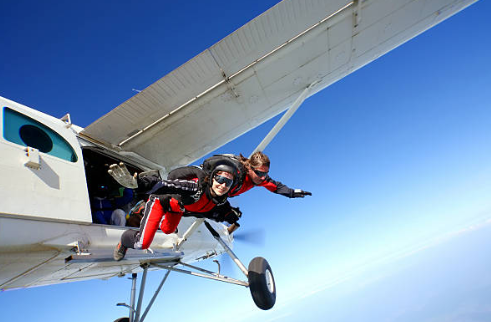
Before takeoff, ensure that all equipment is properly secured. Assess wind conditions and accurately understand wind direction and speed using wind tubes or weather applications; Carefully check the seat belts and parachutes to ensure they are secure and adjusted correctly; Maintain the correct body posture, lean forward slightly, and keep your feet shoulder width apart; During takeoff, the taxi speed is monitored and controlled by adjusting body posture and hand movements.
(2) Safe Landing
Performing a safe landing requires precise control and trust in the equipment. At different altitudes, corresponding actions should be taken, such as preparing for landing, evaluating landing sites, and controlling descent rates. During the landing process, it is necessary to maintain the correct posture, adjust the canopy control according to the actual situation, and ultimately safely land with appropriate techniques such as rolling landing.
6、 Learn to navigate in airflow
Understanding wind patterns and being able to adjust flight paths are key skills during parachute gliding. Judging wind speed by observing the surrounding landscape, such as the movement of trees and flags; Pay attention to the direction of the wind and avoid flying against it. Terrain features can also affect wind patterns, such as hills or mountainous areas that may generate hot updrafts or downdrafts, and flight paths should be adjusted accordingly based on these situations.
7、 Follow the tips for happy skydiving
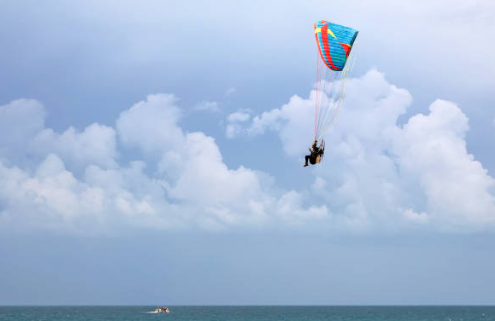
In order to have a pleasant skydiving experience, it is important to choose appropriate equipment and ensure that they are in good condition. Avoid common mistakes such as neglecting training and not paying attention to weather conditions. During the flight, maintain a stable body posture, such as arching your back and slightly bending your legs. At the same time, focus on the present moment and fully enjoy the excitement and excitement brought by skydiving.
8、 Overcoming fear and building confidence
Many people have a fear of skydiving, especially of heights. But don’t let fear hinder you from experiencing the joy of skydiving. You can gradually adapt by exposing yourself to higher places, starting from smaller heights; Using visualization techniques and positive self dialogue to overcome fear of heights. In addition, it is also important to establish trust in the equipment, regularly inspect and maintain the equipment, and become familiar with its safety features and performance.
9、 Explore advanced technology and join the community
After having a certain foundation in skydiving, one can learn advanced techniques such as controlling body position, performing turns, flips, and other movements. Appropriate advanced equipment can also enhance the ability to execute these movements. Joining the parachute gliding community is also a good choice, where you can learn advanced skills, participate in competitions, exchange experiences with other enthusiasts, improve skills together, and feel the support and vitality of the community.
Parachuting is a sport full of challenges and surprises. As long as you are well prepared and follow safety principles, you can embark on an unforgettable adventure in the sky. I hope this beginner’s guide can help you take the first step in skydiving and bravely embrace the sky!
https://www.aexcept.com/the-ultimate-guide-to-aerial-adventures-skydiving-wingsuiting-and-paragliding/