https://www.aexcept.com/the-ultimate-guide-to-aerial-adventures-skydiving-wingsuiting-and-paragliding/
Wing mounted flight, hailed as the “ultimate sport closest to death,” attracts numerous brave and fearless adventurers with its stunning speed and free shuttle through the sky. However, behind this seemingly cool facade, there are many hidden safety hazards, and even a slight mistake could lead to tragedy. Having a deep understanding of these hidden dangers and mastering effective coping strategies is crucial for every wingsuit flying enthusiast and those who are interested in this sport.
Equipment related hazards
Risk of wing damage
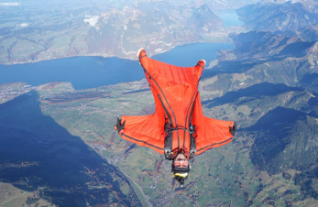
As the core equipment of flight, the integrity of wing suits is crucial. During flight, wing attachments may be damaged due to scratching with external objects such as branches and rocks, or wear and tear after multiple uses. Once the wing equipment is damaged, the aerodynamic performance will significantly decrease, the flight attitude will be difficult to control, and in severe cases, it may even lead to flight loss of control. For example, if the wing surface of the wing is torn, it will disrupt the airflow, affect the generation and distribution of lift, and cause the pilot to lose balance.
Parachute malfunction hazard
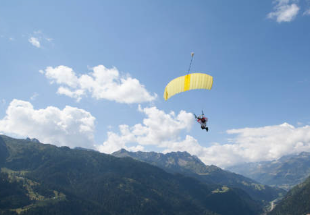
Parachute is the last safety guarantee for wing mounted flight, but it is not foolproof either. The parachute may be improperly packaged, causing it to fail to open properly at critical moments. In addition, issues such as entanglement of parachute ropes and damage to umbrella bag components can also affect the normal operation of parachutes. For example, if the parachute rope is not straightened during storage, the turbulence during flight may cause it to entangle with each other, hindering the deployment of the parachute and putting the pilot in an extremely dangerous situation.
Environmental hazards
The weather changes unpredictably
The weather has a huge impact on wing mounted flight. Strong winds may alter the flight path, causing the pilot to deviate from the predetermined route and increasing the risk of collision with obstacles. Bad weather such as rainstorm and heavy fog will seriously affect the sight of pilots, making it difficult for them to accurately judge the surrounding environment and landing point. For example, when flying in mountainous areas, sudden valley winds may generate strong updrafts or downdrafts, instantly changing the flight altitude and speed, catching the pilot off guard.
Complex terrain challenge
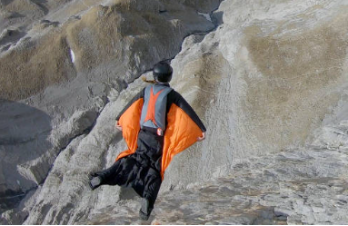
Wing mounted flights are often conducted in complex terrain areas such as cliffs and canyons. These places have undulating terrain and many hidden obstacles, such as prominent rocks and dense forests. During high-speed flight, if pilots are unable to avoid these obstacles in time, serious collisions may occur, resulting in physical injuries. Taking canyon flight as an example, the narrow canyon space limits the pilot’s operational space, and a slight mistake may result in hitting the canyon wall.
Flying skills and experience hidden dangers
Lack of flying skills
Wing mounted flight requires advanced flying skills. Pilots must have precise control over their body posture to adjust their flight direction and speed. If the pilot does not control the transfer of the center of gravity of the body properly, the expected change in flight attitude cannot be achieved, resulting in loss of control of the flight attitude. For example, when turning, if the body tilt angle is not sufficient or the timing is not right, the turning action cannot be completed smoothly and may deviate from the flight path.
Risk of lack of experience
Experienced pilots are better equipped to handle various unexpected situations that arise during flight. However, novice pilots lack sufficient flying experience and have insufficient understanding of the flight characteristics and potential risks in different environments. In emergency situations such as complex airflow and equipment malfunctions, it may be difficult to make quick and correct response decisions, leading to a dangerous situation. For example, beginners may not know how to adjust their flight attitude to maintain stability when facing sudden crosswinds.
Response strategy
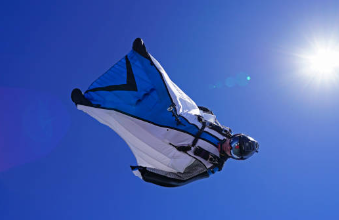
Strict equipment inspection and maintenance
Before each flight, the pilot must conduct a comprehensive and detailed inspection of the wing equipment to see if there are any damages, seam cracks, or other issues. Regularly send the wing assembly to a professional organization for maintenance and repair to ensure that its performance is always in the best condition. For parachutes, they should be packed strictly according to the specifications. Before each use, check whether the parachute rope is straightened and whether the umbrella bag components are intact. Pilots can also prepare backup parachutes just in case.
Pay close attention to weather and terrain
Before flying, pilots should closely monitor the weather forecast and choose a time when the weather is clear and the wind is weak for the flight. If the weather suddenly changes during the flight, you should immediately find a safe place to land. When choosing a flight site, it is necessary to conduct a detailed survey of the terrain in advance, understand the distribution of obstacles, and plan a reasonable flight route. During the flight, always maintain vigilance towards the surrounding environment, promptly detect and avoid potential dangers.
Strengthen flight skills training and accumulate experience
Pilots need to receive professional training in flight techniques, continuously improving their ability to control their body posture through simulated and actual flight training. Participate in flight experience sharing sessions and learn skills and experiences in dealing with various situations from experienced pilots. In the early stages of flying, choose a relatively simple and safe location for practice, and gradually challenge more complex environments as experience accumulates. At the same time, pilots should undergo regular retraining to consolidate and enhance their flying skills.
Although wing mounted flight is full of excitement and challenges, safety always comes first. Only by fully recognizing the safety hazards and adopting effective response strategies can one enjoy the pleasure of flying while maximizing their own safety. I hope every wingsuit flying enthusiast can keep safety in mind and fly with caution.
https://www.aexcept.com/the-ultimate-guide-to-aerial-adventures-skydiving-wingsuiting-and-paragliding/